It's one of the most common questions we hear from business owners: "Should we put our money into Google Ads or SEO?" Both put you in front of people searching on Google. Both can bring in customers. But they work very differently, and choosing the wrong one first can waste months or money.
The honest answer is that most growing businesses eventually need both. The real question is which to start with, and how to make each support the other.
How they differ
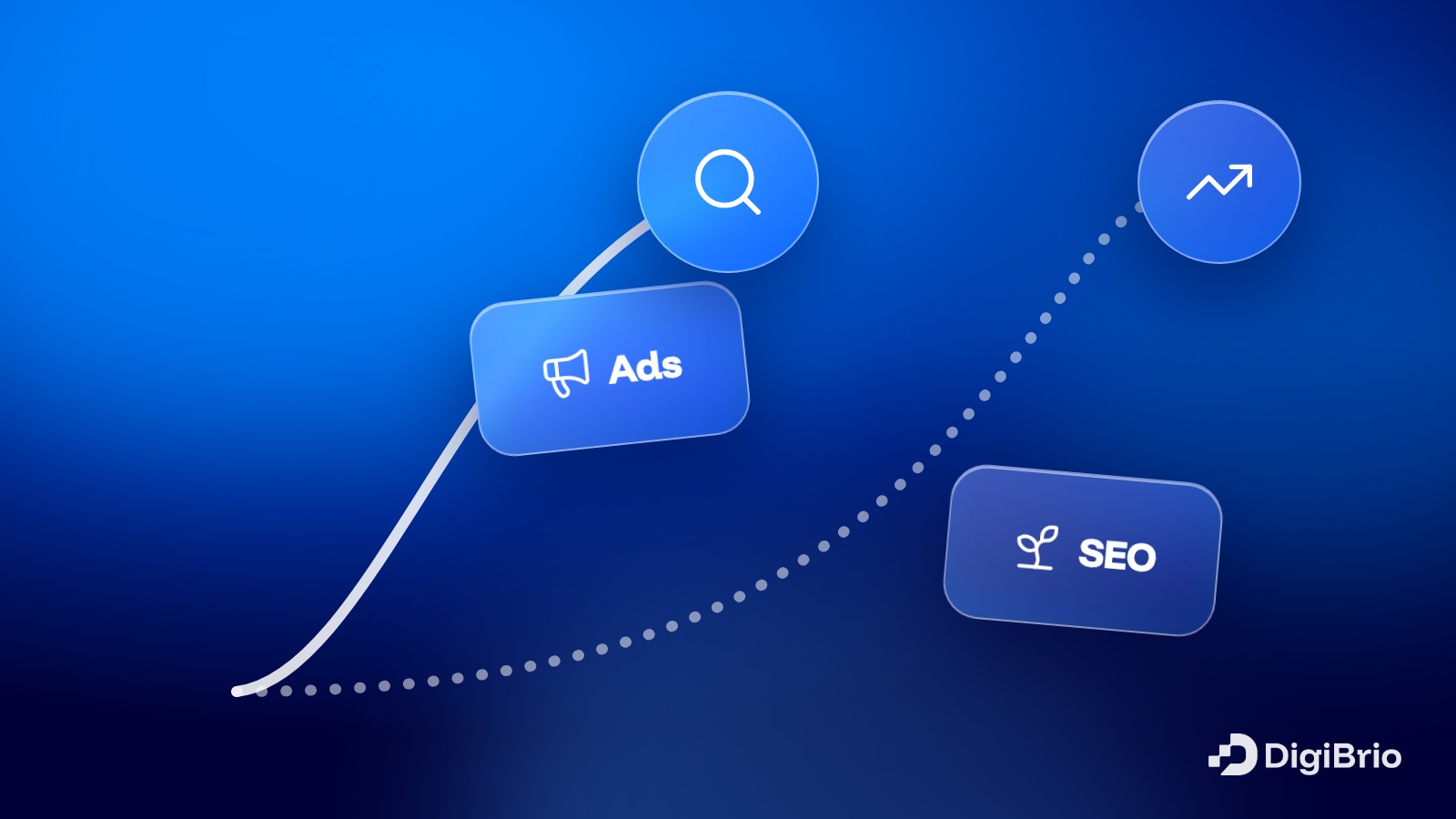
Google Ads lets you pay to appear at the top of search results for the searches you choose. You pay each time someone clicks. Campaigns can go live within days, you control exactly which searches you appear for, and you can switch them off at any time.
SEO, or search engine optimisation, is the work of making your website rank in the regular, unpaid results. It involves improving your site's technical health, creating genuinely useful content and earning a good reputation online. You don't pay per click, but it takes time, often several months, before results become meaningful.
A simple way to think about it: Google Ads is renting visibility; SEO is building it.
The case for starting with Google Ads
Ads make sense first when:
- You need enquiries quickly. A new business, a new location or a new service needs customers this month, not next year.
- You want to learn fast. Ads show you, within weeks, which searches bring customers, which messages work and what a lead costs. That knowledge also guides your SEO.
- Your market is competitive in search. If the top organic results are dominated by large, established websites, it may take a long time to rank. Ads let you compete while you build.
- You have a clear, profitable offer and know roughly what a customer is worth, so you can judge what you can afford to pay per lead.
The downsides: costs can rise as competition increases, results stop the day you stop paying, and poorly managed campaigns can waste budget quickly on irrelevant clicks.
The case for starting with SEO
SEO makes sense first when:
- Your budget is tight and paying per click in your category is expensive.
- You have time. An established business that isn't under pressure for immediate leads can invest in long-term visibility.
- People research before buying. If customers read guides, compare options and ask questions, useful content can attract them early and build trust.
- Your local competition is weak online. In many local categories, a well-optimised website and Google Business Profile can rank relatively quickly.
The downsides: results are slow and less predictable, Google's algorithms change, and you can't simply "turn it up" when you need more leads next week.
Why most businesses need both
The two channels strengthen each other when you plan them together:
- Ads data improves SEO. Your search terms report shows exactly which searches lead to enquiries. Those are the topics your website should rank for organically.
- SEO lowers your ad costs over time. As organic visibility grows, you can reduce spend on searches where you already rank well and focus ads on harder, high-value terms.
- A better website helps both. Faster pages, clearer messages and easier contact options improve ad performance and organic rankings at the same time.
- Showing up twice builds trust. When people see you in both the ads and the organic results, many feel more confident clicking.
A practical way to sequence them
For a typical growing business, a sensible order looks like this:
- Fix the foundations first. Make sure your website loads fast on mobile, explains your offer clearly, makes contact easy and has proper tracking. This helps whichever channel you start with.
- Launch a focused Google Ads campaign on a small set of high-intent searches, the ones closest to buying, such as "[service] in [area]" or "[product] price".
- Use the first two or three months of ad data to learn which searches and messages produce customers, not just clicks.
- Start SEO in parallel, beginning with your Google Business Profile, your core service pages and the topics the ads proved valuable.
- Review every quarter. As organic rankings grow for certain searches, shift ad budget toward areas where you don't rank yet.
What it might cost
Costs vary widely by industry, city and competition, so be wary of anyone quoting a fixed figure without looking at your market. As a rough guide to how the money behaves: Google Ads costs rise directly with the amount of traffic you want, while SEO is mostly a fixed monthly investment in work, whose return builds over time. A month of ads produces a month of results. A month of SEO work can keep producing results for years, if the work is good.
Questions to decide your starting point
- How many new customers do we need in the next three months?
- What is one customer worth to us, over the whole relationship?
- How competitive are the search results for our main services?
- Is our website ready to turn visitors into enquiries?
- How long are we prepared to wait for results?
If you need customers soon and know what they are worth, start with ads. If you have patience and a modest budget, start with SEO. If you can, start both, in proportion.
The bottom line
Google Ads and SEO aren't rivals. Ads give you speed, control and fast learning; SEO gives you lasting visibility and lower costs over time. Start with the one that fits your timeline and budget, make sure your website is ready for either, and let each channel make the other smarter. That is how a growing business turns search into a dependable source of customers.